
What does ‘live cultures’ actually mean on a kombucha label?
It is one of the most common claims on kombucha packaging in Singapore. It is also one of the least regulated. Here is what it means, what it does not mean, and how to tell the difference.
Walk along any kombucha shelf in Singapore and you will see the same phrase repeated across dozens of bottles: live cultures. It appears on front-of-pack banners, in product descriptions, and alongside probiotic claims. It sounds meaningful. It sounds scientific. But what does it actually tell you?
In Singapore, the answer is: less than you might think. Here is the full picture.
What ‘live cultures’ is supposed to mean
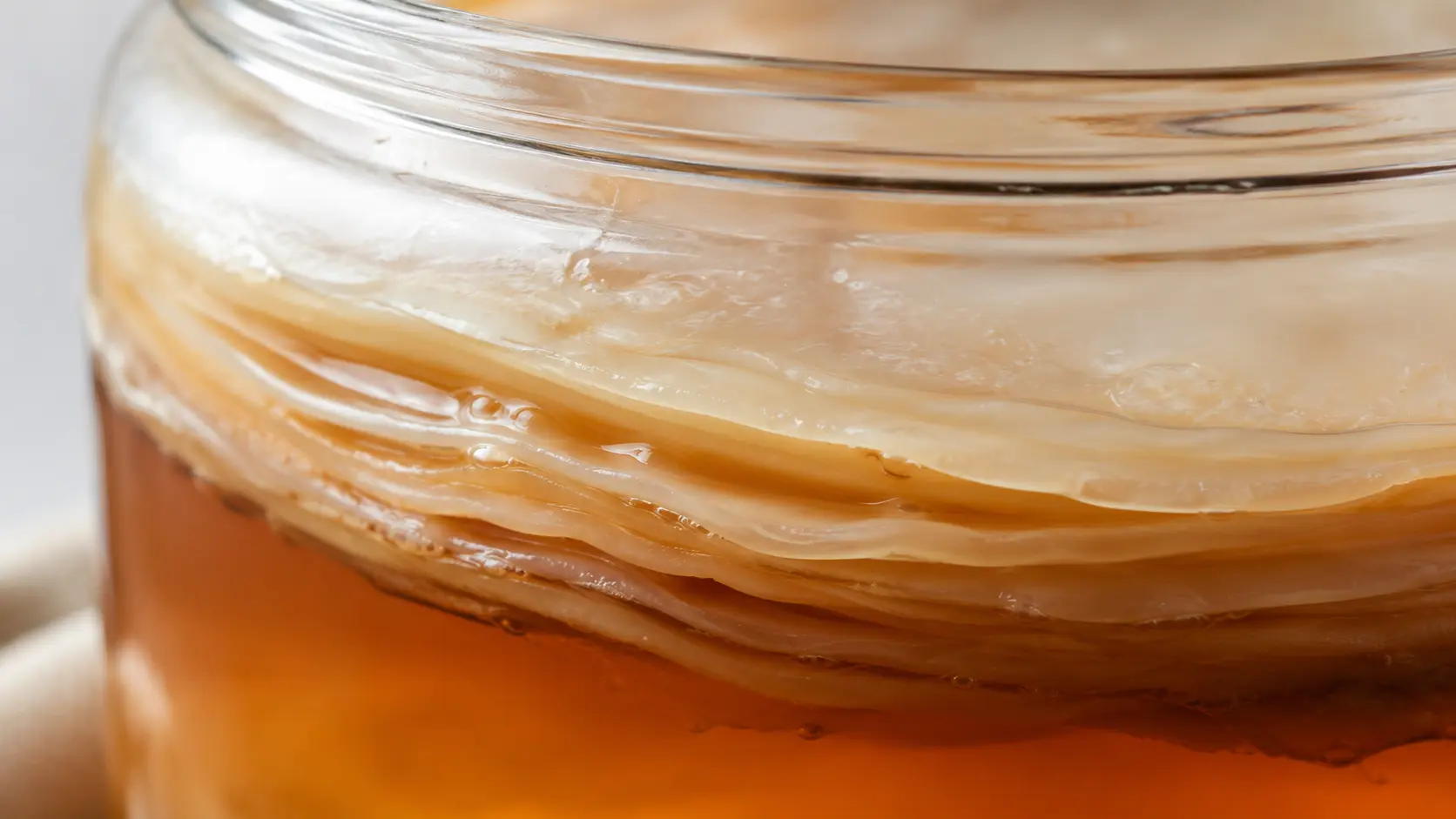
In the context of genuine kombucha, live cultures refers to the microorganisms present in the drink as a result of fermentation — primarily lactic acid bacteria, acetic acid bacteria, and wild yeasts. These organisms are active, alive, and metabolically functional at the time of bottling.
In authentic, unpasteurised kombucha, these cultures are a natural outcome of the brewing process. The SCOBY — Symbiotic Culture of Bacteria and Yeast — ferments the sweetened tea over 7–14 days. The resulting kombucha is rich in live microorganisms. No addition is needed. They are simply there, as a result of how the drink was made.
This is what the label should be signalling: that the product is raw, unpasteurised, and genuinely fermented. The live cultures are evidence of a process — not an ingredient that was added.
Where the claim gets complicated
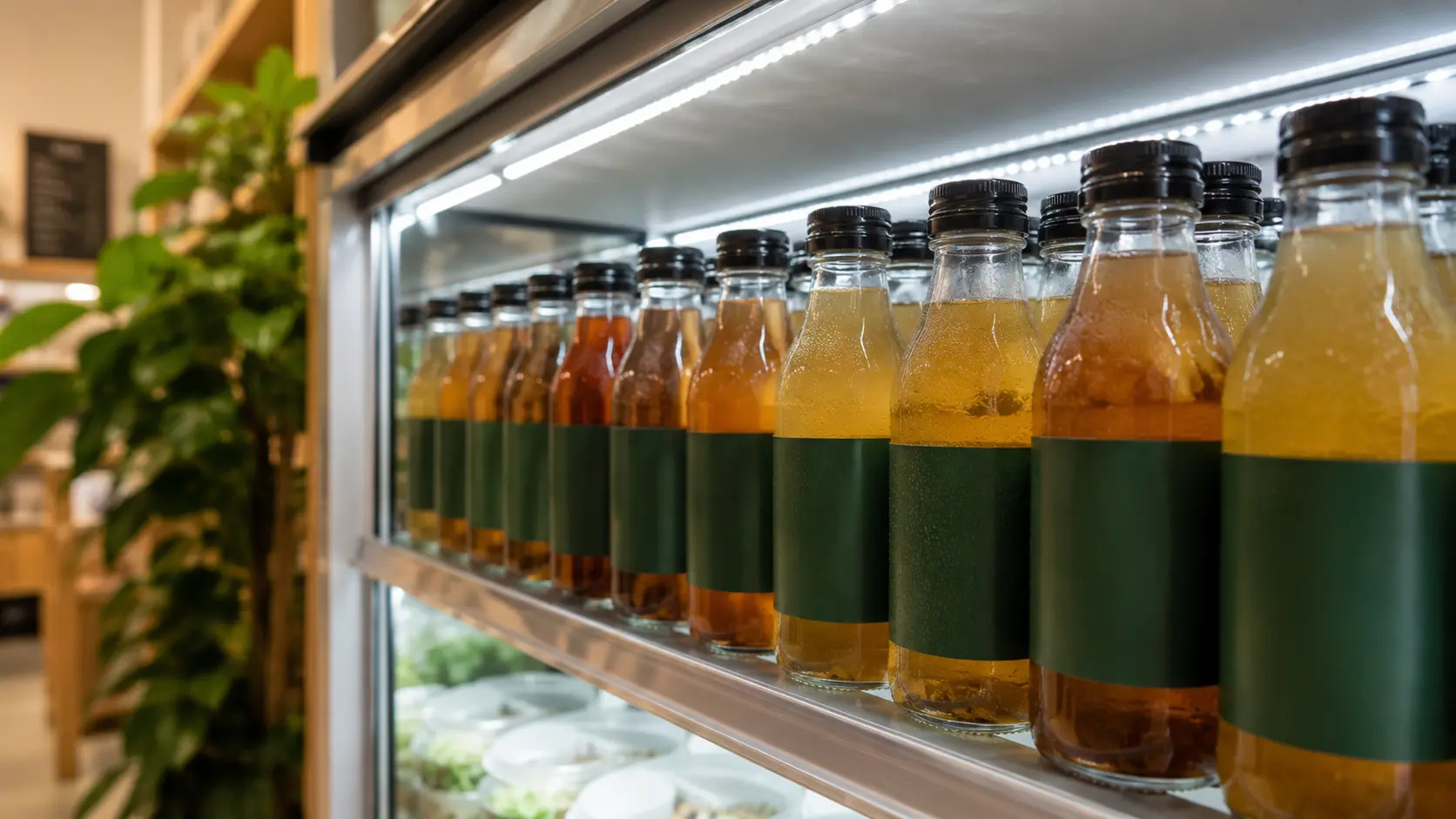
The problem is that ‘live cultures’ on a label does not guarantee that the cultures present are a result of fermentation. There are two very different ways a product ends up with that claim on its packaging.
- Cultures are a natural outcome of the brewing process
- Present throughout the liquid, not just at the bottom
- Include a diverse range of bacteria and yeast strains
- Product is raw and unpasteurised
- Requires refrigeration at all times
- Probiotic strains added post-fermentation, before bottling
- Often a single standardised strain (e.g. Bacillus coagulans)
- Product may have been pasteurised before cultures were added
- Guaranteed CFU count on label — but broader fermentation character may be absent
- Some versions are shelf-stable
Both products can carry the words ‘live cultures’ on the label. From a regulatory standpoint in Singapore, both are technically accurate. But they are different products — brewed differently, with different flavour profiles, and different compositions of microorganisms.
What pasteurisation does to live cultures
Pasteurisation uses heat — typically between 60–85°C — to eliminate microorganisms and extend shelf life. For kombucha, pasteurisation kills the live cultures that fermentation produces. A pasteurised kombucha has no live cultures left from the fermentation process.
Some brands pasteurise their kombucha and then re-add probiotic strains at the bottling stage. This allows them to guarantee a specific CFU (Colony Forming Unit) count on the label — which sounds precise and scientific — while the product itself has been heat-treated and no longer carries the full character of raw fermentation.
This is not illegal. It is not necessarily harmful. But it is a different product from unpasteurised, naturally fermented kombucha — and the label ‘live cultures’ does not distinguish between the two.
“‘Live cultures’ on the front tells you something was added or present. It does not tell you whether the kombucha was genuinely fermented.”
How to verify the claim from the label alone
You cannot always verify live cultures from the label alone — but there are signals that shift the probability significantly.
Signals that suggest genuine live cultures from fermentation
- The product is refrigerated in the store — not shelf-stable
- The label says unpasteurised or raw
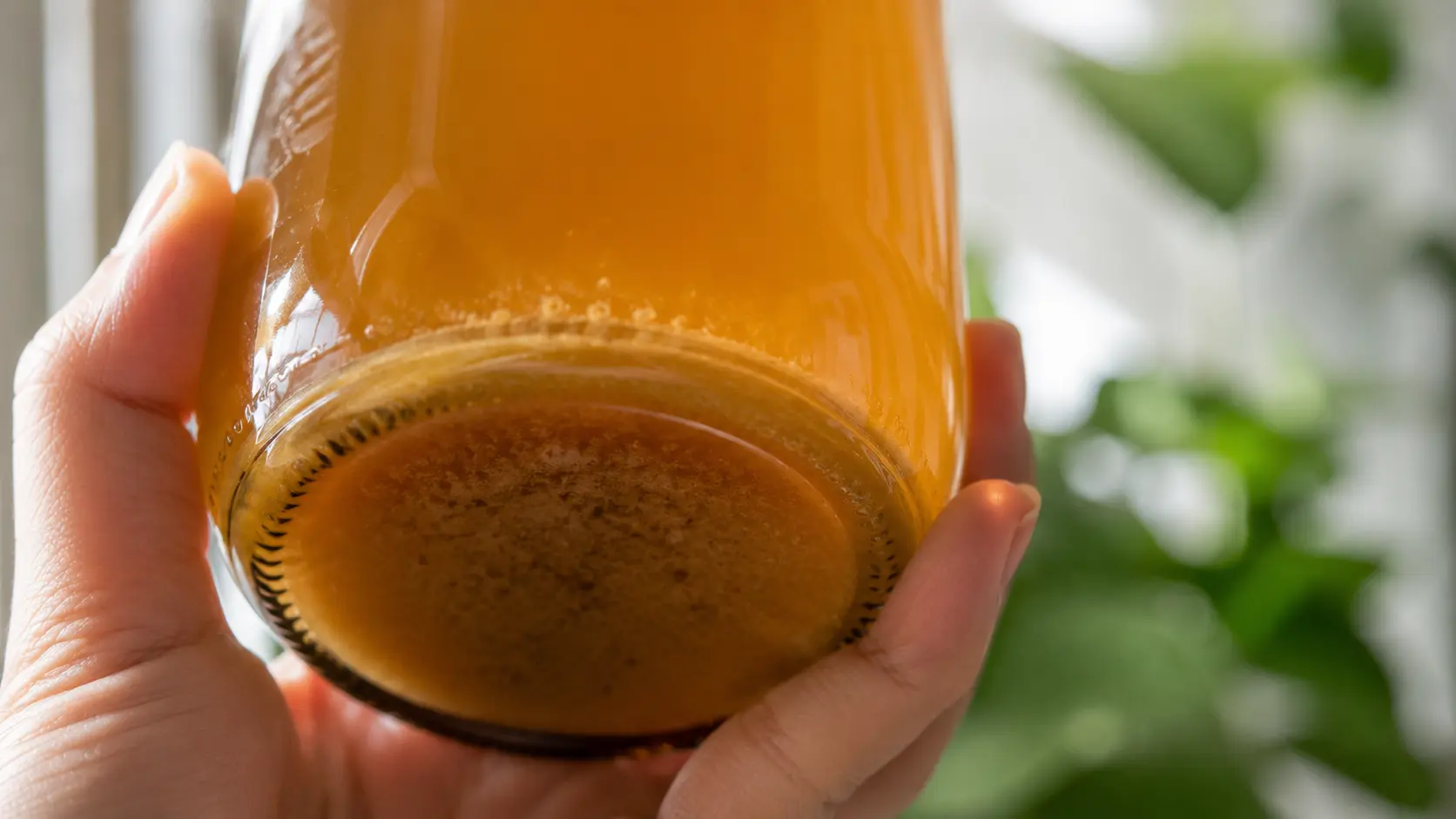
- You can see sediment or floating strands in the bottle — these are SCOBY bits and yeast material, signs of active culture
- The ingredient list includes a live culture or SCOBY reference — not just a specific probiotic strain name
- The flavour is genuinely tart and slightly vinegary — the organic acids that result from fermentation produce a distinctive taste
Signals that suggest cultures were added rather than fermented
- The product does not require refrigeration
- The ingredient list names a specific probiotic strain (e.g. Bacillus coagulans GBI-30) as a separate ingredient
- The label carries a guaranteed CFU count — e.g. “1 billion CFU” — which typically indicates a standardised addition rather than fermentation
- The flavour is mild and sweet with little tartness — suggesting limited fermentation activity
📋 A note on the science
Much of the research on kombucha’s probiotic benefits is based on in-vitro studies or animal models. Direct clinical evidence in humans — particularly for specific health outcomes — remains limited. The microorganism composition of kombucha varies significantly between batches, brands, and brewing methods, making standardised research difficult.
This does not mean the cultures in genuine fermented kombucha are without value. It means the science is still developing, and specific health claims should be treated with appropriate scepticism. Kombucha is a fermented food with a long history of consumption — not a pharmaceutical product.
The bottom line for Singapore consumers
‘Live cultures’ on a kombucha label in Singapore is an unregulated claim. It can mean different things depending on how the product was made. It does not automatically confirm that the kombucha was genuinely fermented, unpasteurised, or that the cultures present are a result of the brewing process.
The most reliable signals are the ones that cannot be faked easily: the product is refrigerated, the bottle shows sediment or floating culture material, the label says unpasteurised, and the taste is genuinely tart. These point to a living product. A bold front-of-pack claim alone does not.
It is worth noting that at least one Singapore kombucha brand goes a step further — engaging an independent third-party laboratory to verify live culture activity in its finished product. This level of transparency remains rare in the local market, and it is exactly the kind of verifiable practice that separates a genuine claim from a label shortcut. We will be covering this in an upcoming brand review. Stay tuned.
Live cultures is one of seven criteria on the KombuchaSG Authenticity Scorecard.
Every brand reviewed on this site is assessed on whether live cultures at point of sale are verifiable from the label and ingredient list — not just claimed. See how Singapore brands perform against this criterion.
Frequently asked questions
Is ‘live cultures’ a regulated claim in Singapore?
No. In Singapore, the term ‘live cultures’ on food and beverage packaging is not subject to a defined regulatory standard under the Singapore Food Agency’s guidelines. Brands are not required to verify a specific colony count, confirm the method by which the cultures are present, or demonstrate that they survive to the point of consumption. The claim can appear on both genuinely fermented products and products where cultures have been added at the bottling stage.
What is CFU and does a higher number mean better kombucha?
CFU stands for Colony Forming Unit — a measure of viable microbial cells in a sample. A higher CFU count means more live microorganisms are present per serving. However, a guaranteed CFU count on a kombucha label often indicates that specific probiotic strains were added at the bottling stage, rather than being a result of fermentation. Genuine fermented kombucha does not always carry a CFU count — because the culture diversity from natural fermentation is harder to standardise and guarantee. A high CFU number is not automatically a signal of better or more authentic kombucha.
Can pasteurised kombucha still have live cultures?
Yes — if probiotic strains are added after pasteurisation, before bottling. This is a common practice in commercial kombucha production. The heat treatment eliminates the cultures produced during fermentation, and a standardised probiotic strain is then added to restore the ‘live cultures’ claim. The product may carry a precise CFU guarantee on the label. It is a different product from raw, unpasteurised kombucha — but both can carry the same ‘live cultures’ claim.
What are the floating bits in my kombucha bottle?
Floating strands or jelly-like pieces in kombucha are SCOBY bits — fragments of the live culture that continue to grow inside the bottle after bottling. They are entirely harmless and edible, and are a positive sign that the kombucha is raw and unpasteurised. Cloudy sediment at the bottom is similarly normal — it contains live yeast and bacterial material. Gently swirl the bottle before drinking to redistribute it, or pour carefully and leave it behind if you prefer a cleaner drink.
- → The Standard — our 7-criteria authenticity scorecard
- → Real vs Fake Kombucha — the shortcuts explained
- → How to read a kombucha label
- → Browse all Singapore kombucha brand reviews
KombuchaSG is an independent educational platform. We are not affiliated with any kombucha brand. Content is published for educational purposes only and does not constitute medical or nutritional advice.